
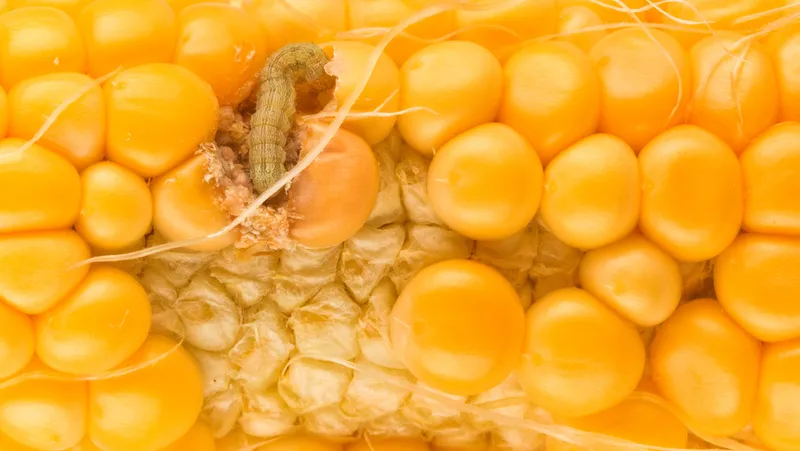
Maggots in the Organic Bin - How to Fight an Infestation Properly
You’ve discovered maggots in your organic bin and don’t know what to do? Don’t worry, you’re not alone. Maggots in the organic bin are a nuisance that’s not so easy to solve - unless you know exactly how.
In this article, we’ll take a closer look at how to recognize a maggot infestation early, how to prevent it, and how to treat it when it’s already too late.
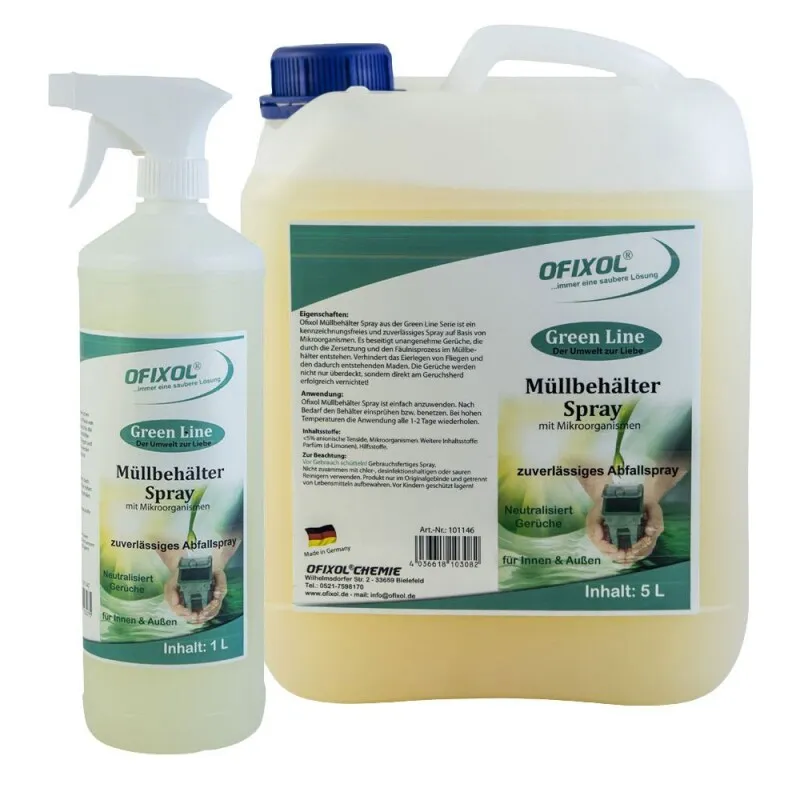
Want a professional solution right away? Here you’ll find a microbiological spray that naturally prevents flies from laying eggs.
How Maggots Develop in the Organic Bin
The maggots we find in trash bins are larvae of houseflies, fruit flies, and blowflies. They’re attracted by food scraps, odors, and gases in the bin. When conditions in the bin have ideal warmth and moisture, hundreds of flies are attracted. They then lay hundreds of eggs that quickly hatch, forming a vicious cycle: eggs become maggots, maggots become flies, and the cycle begins anew.
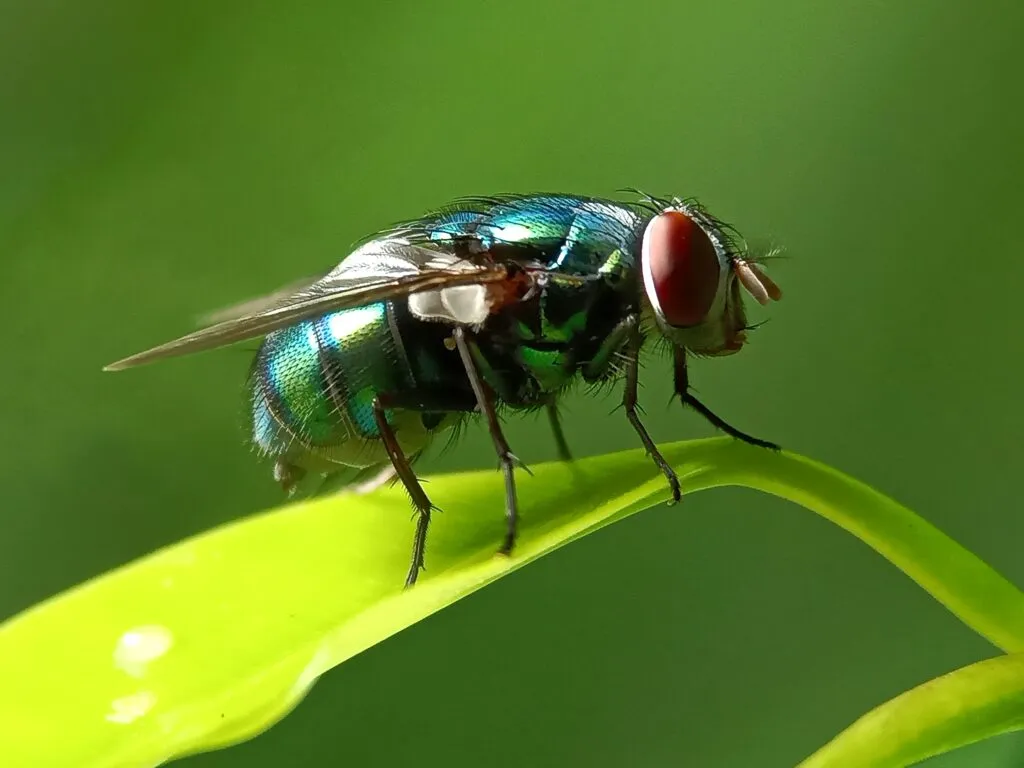
Although flies are actually harmless, they can still pose a health risk under certain circumstances.
Are Maggots in the Organic Bin Dangerous?
They can be. Maggots are insect larvae belonging to the fly family. A danger posed by maggots is the so-called fly maggot disease, also called myiasis. This disease is triggered by maggots that feed on the patient’s tissue.
A large number of maggots is not only unhygienic but can also transmit serious diseases.
The Easiest Solution Against Maggot Infestation
The Waste Container Spray with Microorganisms can be used both for prevention and treatment of maggot infestation. Microorganisms prevent flies from laying eggs and thus the formation of maggots.
How to Recognize a Maggot Infestation Before It Happens
An important factor in detecting a maggot infestation is the presence of flies in and around the organic bin. If you suddenly notice many more flies than usual gathering around your bin, you likely have or will get a maggot problem.
Another sign is the presence of fly eggs in or on the bin. You can recognize fly eggs by their appearance - they look like tiny rice grains standing practically perpendicular from surfaces.
The smell of your bin can also be a sign that you’ll soon have many visitors.
Tips for Preventing Maggot Formation in the Organic Bin
- When buying an organic bin, look for a well-closing lid and always close it properly.
- Empty the organic waste as often as possible.
- Meat and dairy products may go in the organic bin but should be avoided if maggot problems occur regularly.
- Keep the organic bin dry, as moisture accelerates decay processes.
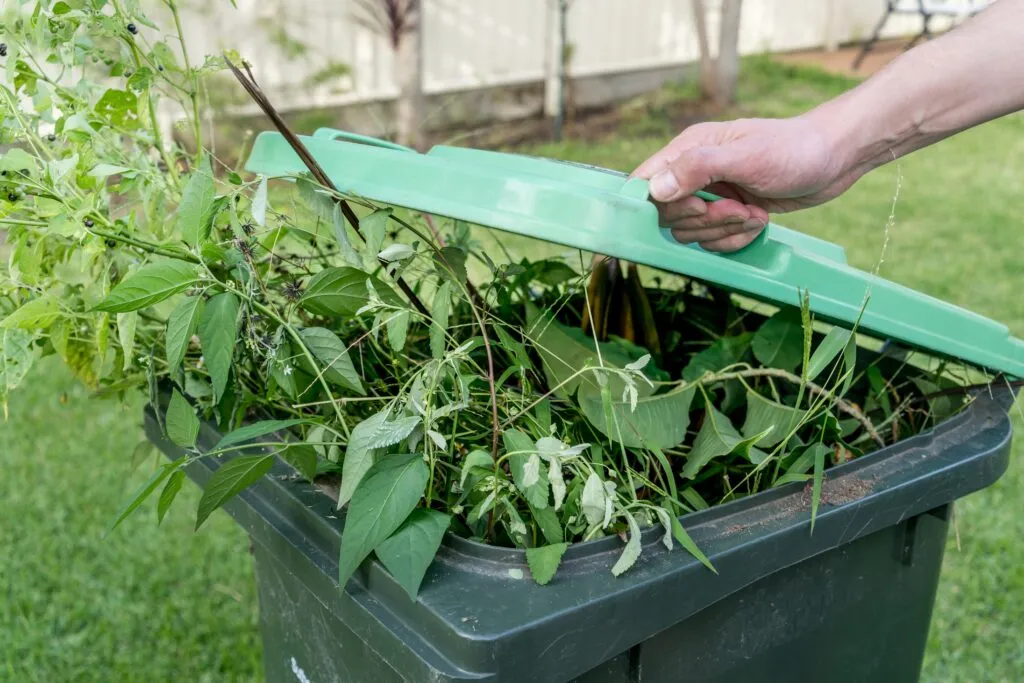
Make sure the organic bin can close properly!
The Most Effective Methods for Fighting Maggot Infestation
- Keep the bin clean: Wash the bin regularly.
- Use paper or cardboard organic waste bags: These bags are breathable.
- Add baking soda: Baking soda is a natural disinfectant that kills maggots.
- Use natural pest controllers: Tea tree, lavender, or orange oil, spices, or lemons.
- Make sure the garbage is picked up regularly.
How to Properly Clean an Organic Bin
- Empty the contents into the compost pile or garbage container.
- Rinse the bin thoroughly with water.
- Wipe the inside with a damp cloth and some cleaning product.
- Spray the inside with a disinfectant and let it work for a few minutes.
- Let the bin dry completely with the lid open before refilling.
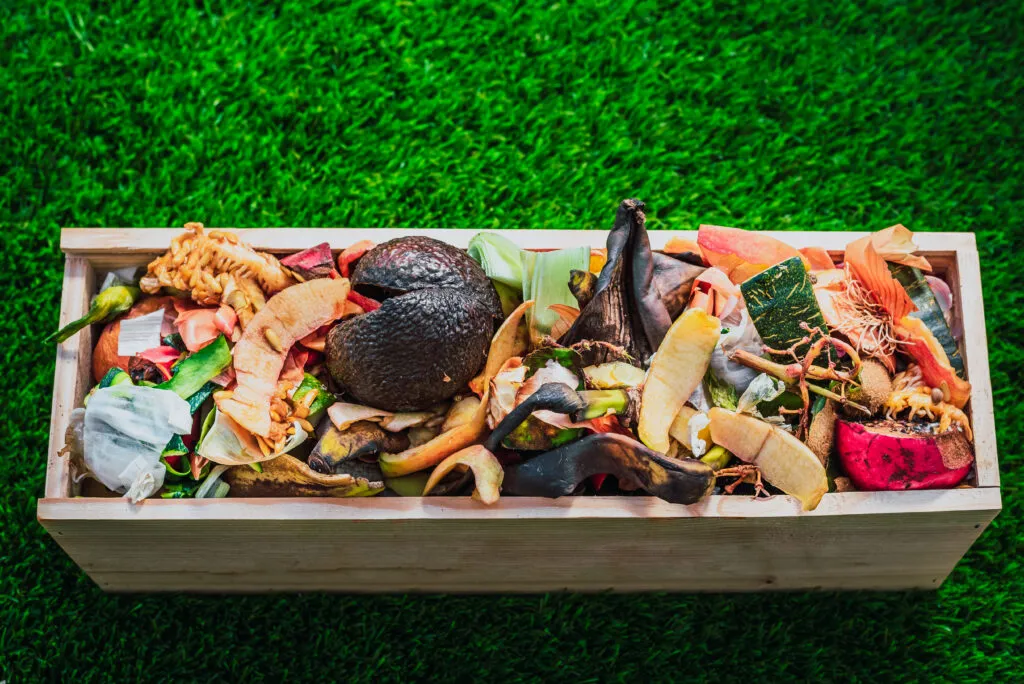
Meat and dairy products don’t belong in organic waste.
Conclusion
Flies and maggots in the organic bin are attracted by odors and gases from rotting waste. These insects can be annoying and even pose a health risk. Prevention is ultimately easier than treatment.
The simplest option is to use a modern product that fights maggots while not limiting the function of the organic bin. We therefore recommend regular use of our Waste Container Spray with Microorganisms.