
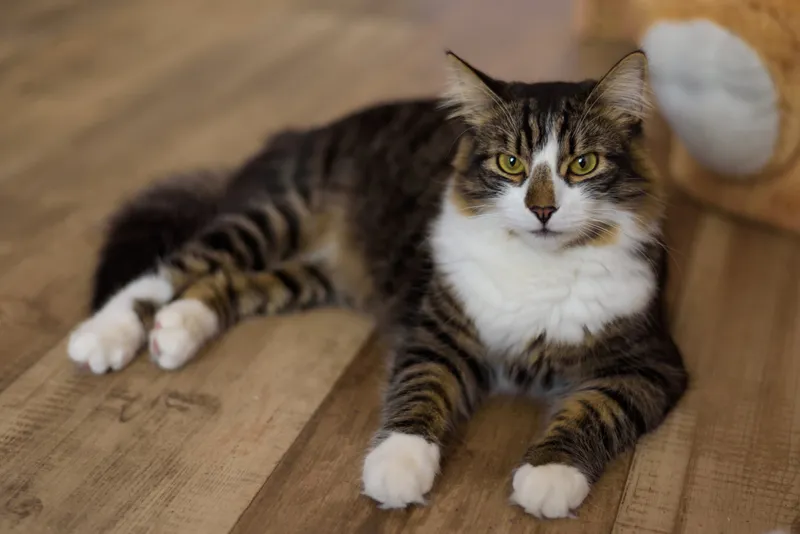
Remove Cat Urine from Laminate and PVC Floors – The Right Way
Cat urine on laminate or PVC floors can not only smell unpleasant, but also lead to unsightly stains. Fortunately, there are effective methods to remove cat urine and make the floor clean and odor-free again.
Why Does Cat Urine Smell?
Before we get to the cleaning methods, let’s take a brief look at why cat urine smells so intense. The unpleasant odor is caused by certain organic compounds contained in the urine. In particular, the pheromone MMB causes cat urine to emit a strong and penetrating smell.
Preparing for Cleaning
Before you start the actual cleaning, it’s important to remove as much cat urine as possible from the floor surface. Use paper towels or kitchen towels and press firmly on the stain to absorb the urine. Repeat this process several times until hardly any moisture is absorbed.
Cat Urine Cleaners
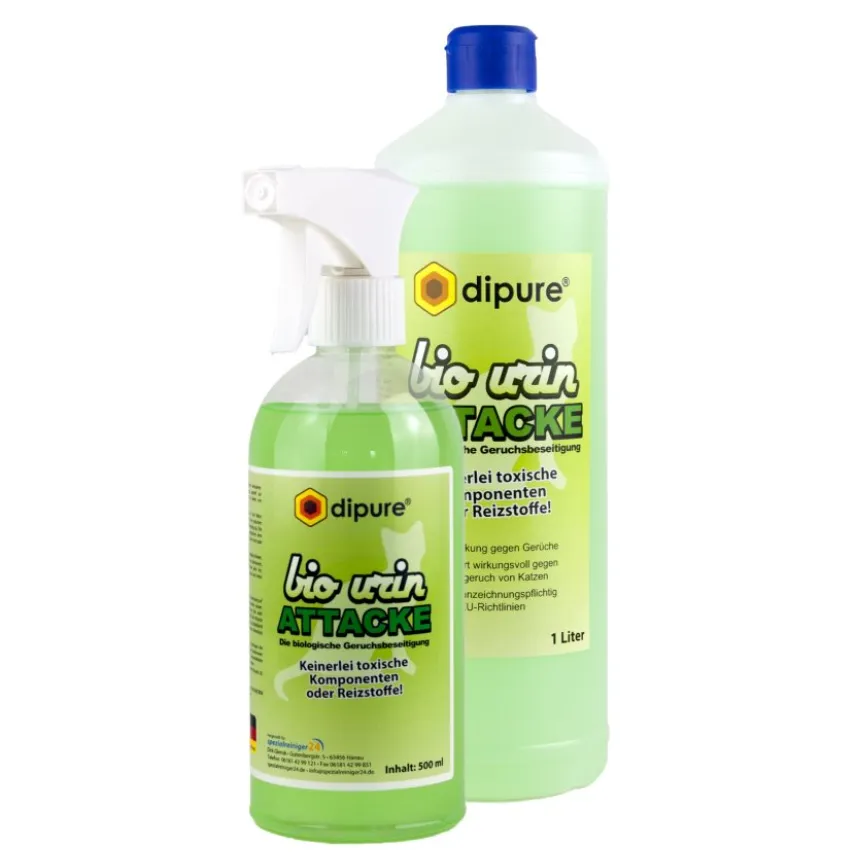
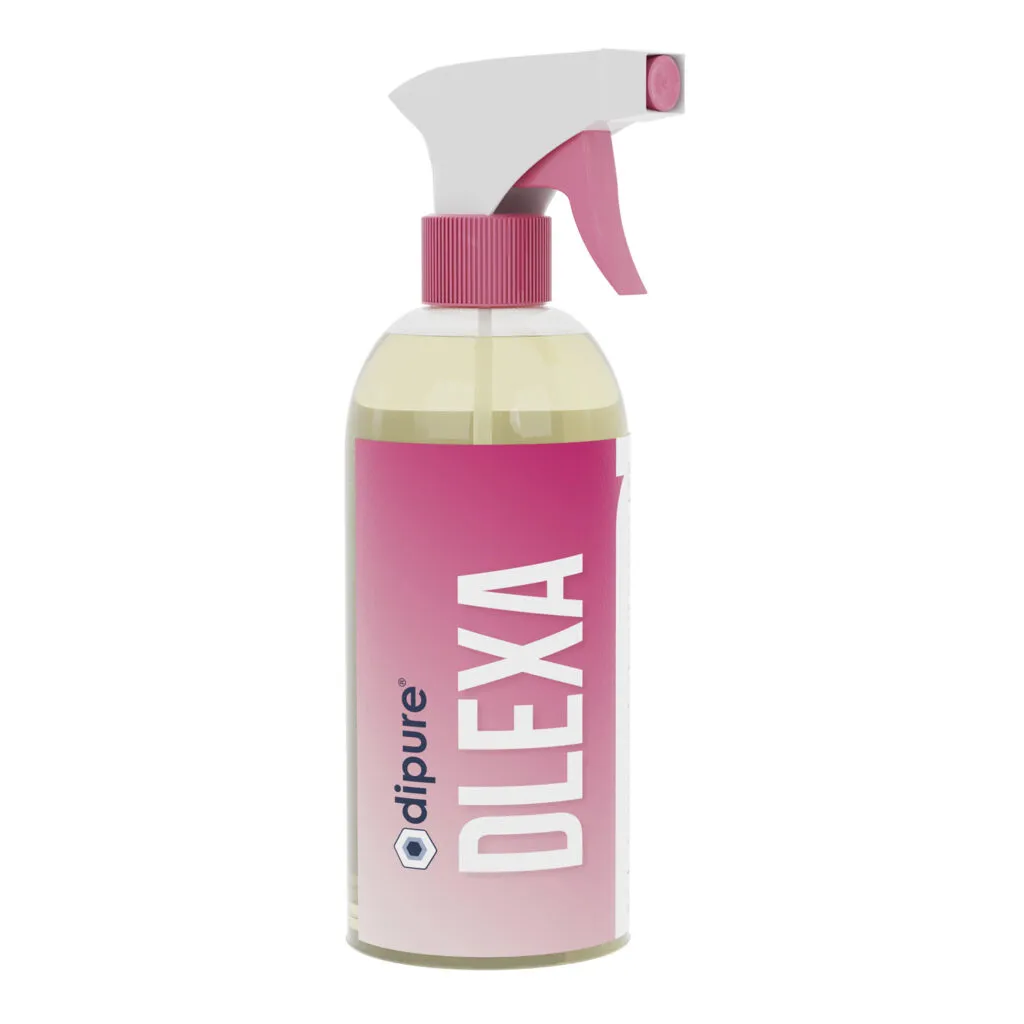
For cleaning cat urine from laminate and PVC floors, we recommend using special cleaners like DLexa or Bio Urine Attack. These cleaning products contain microorganisms that break down the urine and effectively neutralize the odor. Make sure to follow the instructions of the respective cleaner exactly to achieve the best results.
Cleaning Instructions for Laminate and PVC Floors
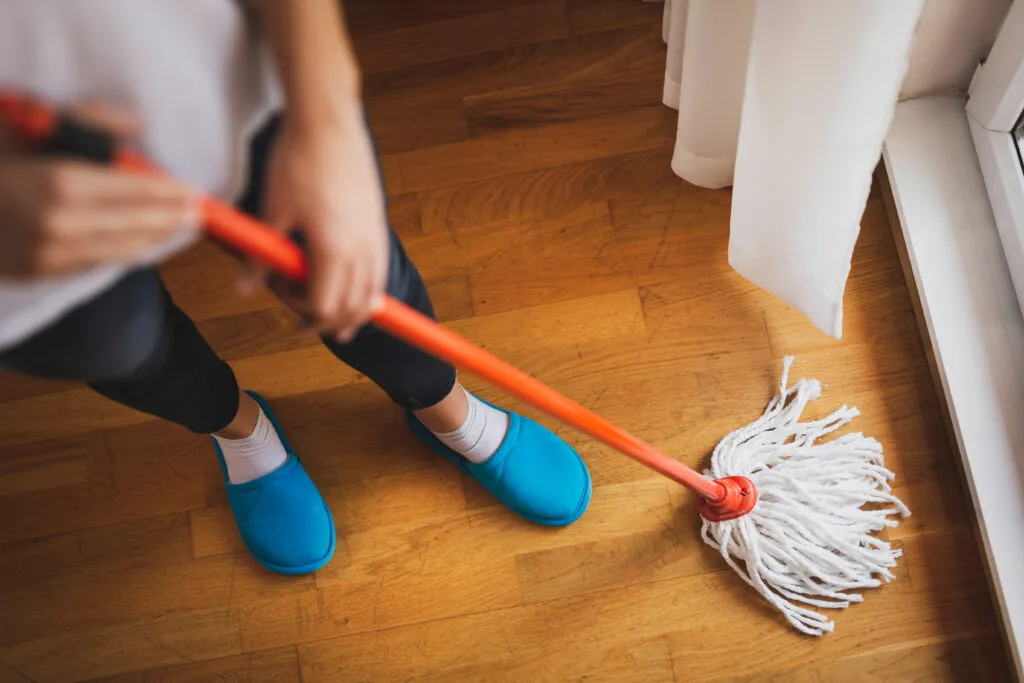
Here’s how to remove cat urine from laminate or PVC floors:
-
Urine Absorption: Begin the cleaning process by picking up the cat urine stain with a clean mop or cloth. It’s important to thoroughly wash out and wring the mop or cloth afterward to ensure no urine remains.
-
Application of the Cleaner: Apply the cleaning product directly to the affected area to completely enclose the stain. Make sure the stain is well moistened so that the urine is completely captured. If you’re using DLexa, dilute the cleaning product with water according to the instructions on the bottle. Note that the water used must not be hot; preferably no more than 40 degrees Celsius to avoid compromising the effectiveness of the microorganisms.
-
Contact Time: Let the product work for about 10-15 minutes. During this time, the microorganisms in the cleaner break down the urine and begin to neutralize the odor.
-
Cleaning: After the contact time, use a clean mop or cloth to pick up the cleaner along with the dissolved urine residue. Clean the floor thoroughly to ensure all residues are removed.
-
Rinsing and Drying: Then rinse the floor well with clean water. Be careful not to soak the surface too much with water to avoid damage to laminate or PVC.
Finally, let the floor dry thoroughly, ideally in well-ventilated rooms to prevent mold growth. Avoid leaving the floor wet for too long. It’s important to note that the microorganisms in the cleaner remain active even after rinsing and can combat residual odors for up to 48 hours.
By following these adapted steps, you ensure that the urine stain is effectively treated while protecting the floor and ensuring comprehensive cleaning and odor neutralization.
Cat Urine Odor Still Present Despite Cleaning
If the odor persists after cleaning, there may be the following reasons:
-
Too little cleaning product used: It’s important to apply the cleaner generously to completely enclose the urine. Repeat the cleaning process if necessary.
-
Urine has penetrated deep into the material: In cases of strong odors, the urine may have penetrated deep into the laminate or PVC floor. In such cases, it can help to clean the floor with a wet vacuum or hire a professional cleaning company.
-
Other cleaning products or home remedies used: Avoid using other cleaning products or home remedies, as these often only temporarily mask the odor or can even make it worse. Stick with special cat urine cleaners like DLexa or Bio Urine Attack.
Conclusion
With the right cleaning methods and products, it is possible to effectively remove cat urine from laminate and PVC floors. Use special cleaners like DLexa or Bio Urine Attack to break down the urine and neutralize the odor. Make sure to follow the instructions exactly and repeat the cleaning if necessary. If the odor persists despite cleaning, it may be advisable to seek professional help.
If you want to know more, we have a post that contains all the information on removing cat urine.