
Clean Burnt Pot - Rescue Pots and Pans
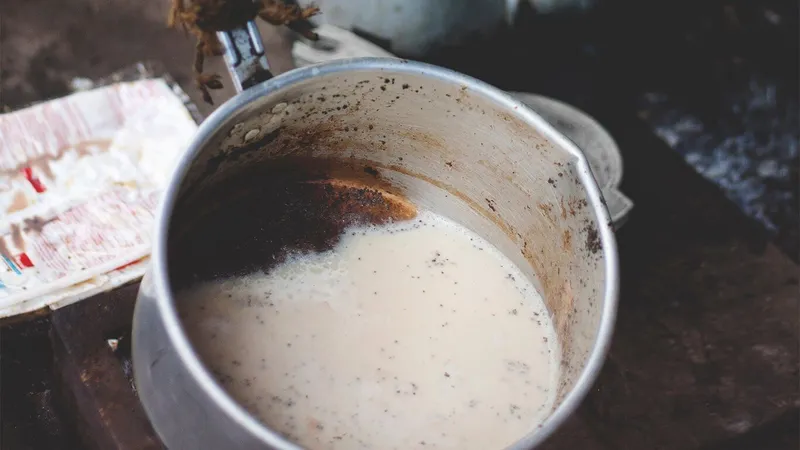
Even the best chefs burn something occasionally. Unlike professional chefs, we unfortunately don’t have a kitchen helper who can spend hours cleaning a burnt pot for us. So we need to get creative.
Depending on the type of pot or pan, different cleaning options are available. Different materials and coatings have different sensitivities. You also need to consider food safety, otherwise the next meal could have unpleasant consequences.
First, I’ll explain the simpler, more general methods for cleaning a burnt pot or pan. Then we’ll discuss the more specialized methods that aren’t suitable for every type of pot or pan.
Throughout this article, I’ll focus more on pots, but all methods work equally well for pans.
Listed here are various proven home remedies that you can probably apply with supplies you already have at home. I also mention two products from our specialty cleaner shop. These are personal and relevant recommendations from me.
As always, there is no guarantee for home remedies. If you use home remedies, you act at your own risk and expense.
The Simplest Method: Boiling Out the Pot
It can’t hurt to let the pot bottom soak with some dishwater before cleaning. Overnight if possible.
Boiling out the pot to remove burnt-on residue is the least labor-intensive option. In many cases, this is enough to save most pots or pans. Above all, this is also the gentlest method, as hardly any force is required.
You should not mix the methods mentioned here, but if necessary, apply them one after another depending on the severity of the burnt residue.
Water Only
The simplest method to clean a burnt pot is to boil it out with plain water. Simply cover the pot bottom with a few centimeters of water and bring it to a boil.
As soon as the water boils, the burnt residue on the pot bottom becomes soft and can then be removed with a wooden spoon or similar. For pots or pans with a non-stick coating, you should not use metal utensils to remove the residue.
Salt or Vinegar
If the residue still won’t come off, you can add salt or vinegar to the water. Usually a heaped tablespoon of salt or replacing a quarter of the water with vinegar is sufficient (or simply pour in some vinegar by eye).
Let it boil again and then let it soak. After the soaking time (about 30 minutes), it should be easier to remove the burnt bottom residue.
Boiling vinegar in such quantities can smell very unpleasant and irritate the respiratory tract. It’s best to turn on the exhaust hood and ventilate well. The vinegar smell can linger for a while.
Baking Soda or Baking Powder
In stubborn cases, you can use baking soda or baking powder. Add water to the pot, add some baking soda, and bring the pot to a boil. Let the mixture soak after boiling.
How long it takes for the burnt residue to come off the pot bottom varies. Half an hour should usually be sufficient.
Don’t let the pot cool down too long in any of these variants, otherwise the burnt residue might set again.
Methods for Tough Cases
If the other methods don’t help, you can also try to save the burnt pot with stronger agents. This mainly includes commercial products.
These methods remove the seasoned protective layer on cast iron. This must be renewed after this treatment.
Manual Application of Dishwasher Tablets
The dishwasher is the first port of call for many such cases. Unfortunately, this is often not enough. However, dishwasher tablets can also be applied by hand. You should not bring the pot to a boil in this variant, but use hot water up to 70°C.
If you have no way to measure the water temperature, bring the water in the pot to a boil and then let it cool for 10 minutes.
Add the dishwasher tablet to the hot water in the pot and let it dissolve completely. Apart from occasionally stirring the mixture in the pot, you don’t need to do anything but wait.
After letting the dissolved dishwasher tablet work, you can now remove the loosened residue from the pot bottom with a soft pot brush or a plastic wooden spoon.
Rinse the pot very thoroughly with clear water afterward.
My Secret Tip: rea-clean Bio-Cleaner
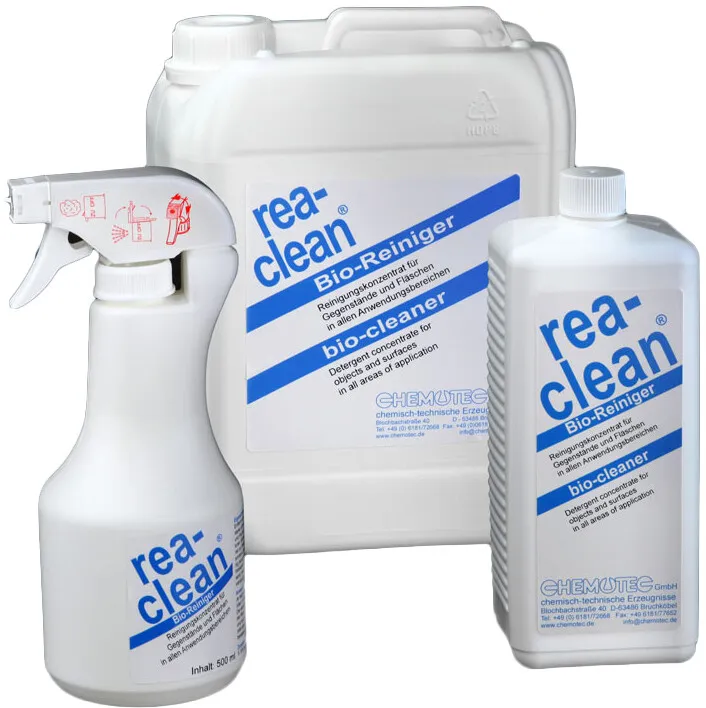 For the toughest cases of burnt-on residue, I personally use the rea-clean Bio-Cleaner. Even if it doesn’t seem so at first glance, the bio-cleaner is hard to replace with other agents. And it’s a real powerhouse when it comes to burnt-on residue.
Cover the burnt pot bottom with the bio-cleaner diluted with water, depending on the thickness of the burnt layer. You can also use hot water here to further enhance the effect.
Again, rinse the pot thoroughly with clear water afterward.
Sometimes Scrubbing Is Unavoidable
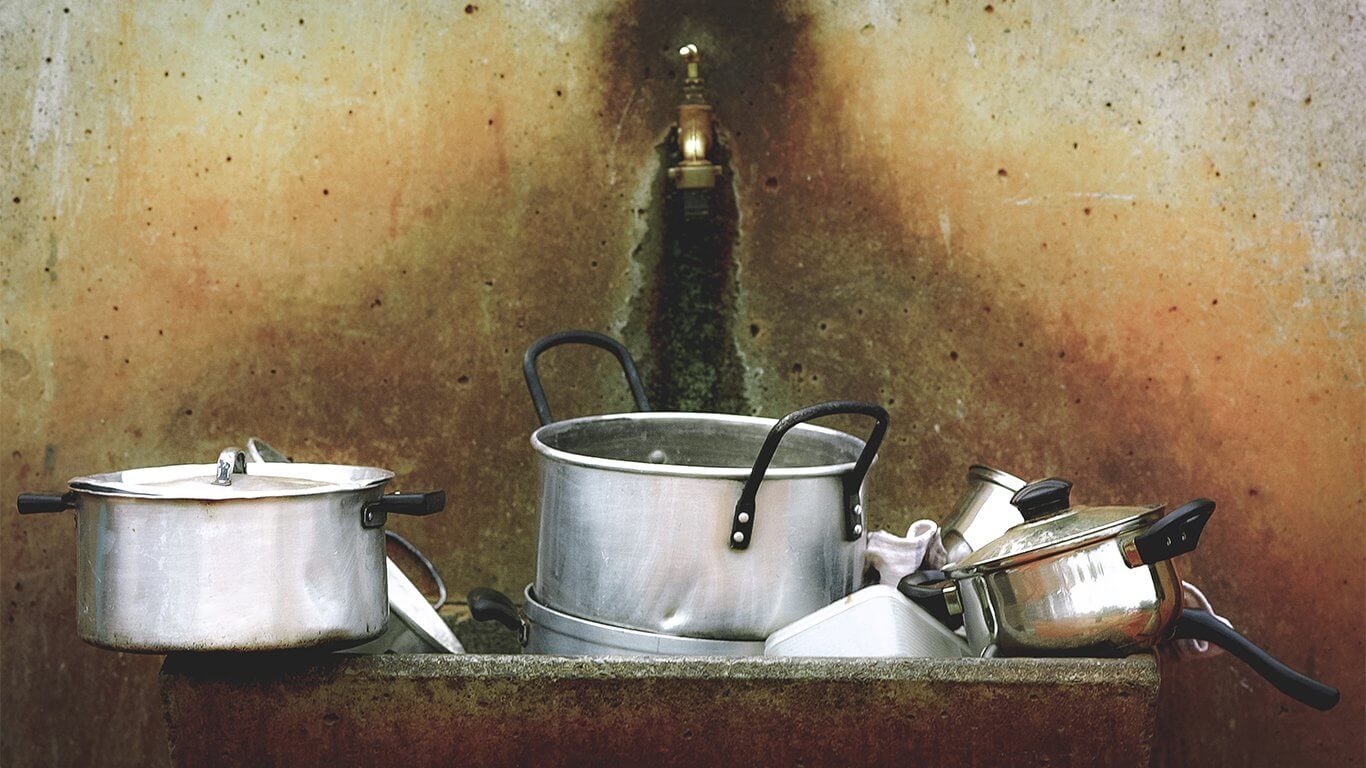
If the pot is made of metal, i.e., steel, iron, or aluminum, harder methods can also be used. For pots and pans made of cast iron, you must expect that the seasoning layer will be removed. This must then be renewed.
Metal pots can be treated with coarse salt grains or steel wool. This can remove stubborn burnt-on residue. Don’t worry, the material can withstand this treatment without problems.
Steel wool is self-explanatory. Cleaning with salt is also very simple.
Cleaning Burnt Pots with Salt Grains
Salt can serve as a scouring agent. Add the salt grains, starting with the coarsest you can find, to the dry pot. Now work the salt grains in with a sponge or other scouring tool. The coarse salt grains help loosen the dirt.
Once you have the pot reasonably clean, you can use finer salt to remove further micro-contamination. Afterward, it’s advisable to boil out the pot again as described above to also get rid of the invisible dirt.
Burnt Smell in the Kitchen
After cleaning the pot or pan, the smell of burnt food can remain in the apartment for days or weeks. You can of course achieve a lot by ventilating regularly and wiping down all surfaces in the kitchen thoroughly. This can contain the smell. Unfortunately, the smell often comes from microscopic particles that settle in all the pores of wallpaper, wood, and textiles.
In cases where cleaning alone doesn’t help, or you don’t want to wait until the smell perhaps disappears on its own, you can resort to dipure Burnt Smell Remover.
[caption id="" align=“alignnone” width=“303”]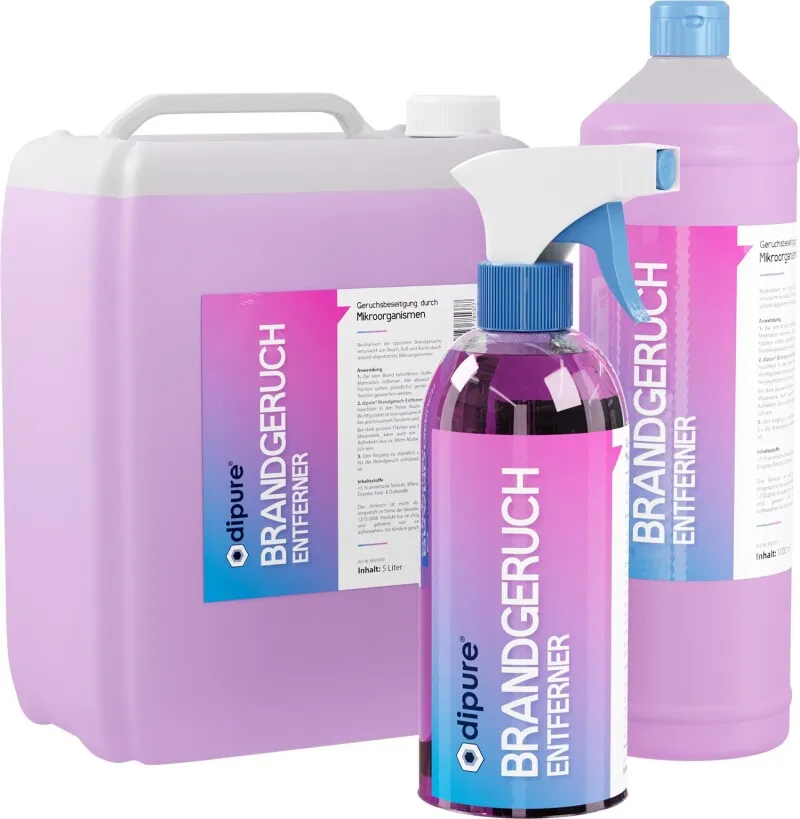 dipure Burnt Smell Remover[/caption]
Easy-Care Cookware
Pans and pots with non-stick coating lose it over time through small scratches and wear. If you own such cookware, you’ll have noticed that it can create real cleaning problems. The older the pot, the worse the cleaning problems become. If you want to invest in indestructible cookware, you should get cast iron pots and pans or stainless steel. These last a lifetime and can be rescued from even the worst burnt situations.
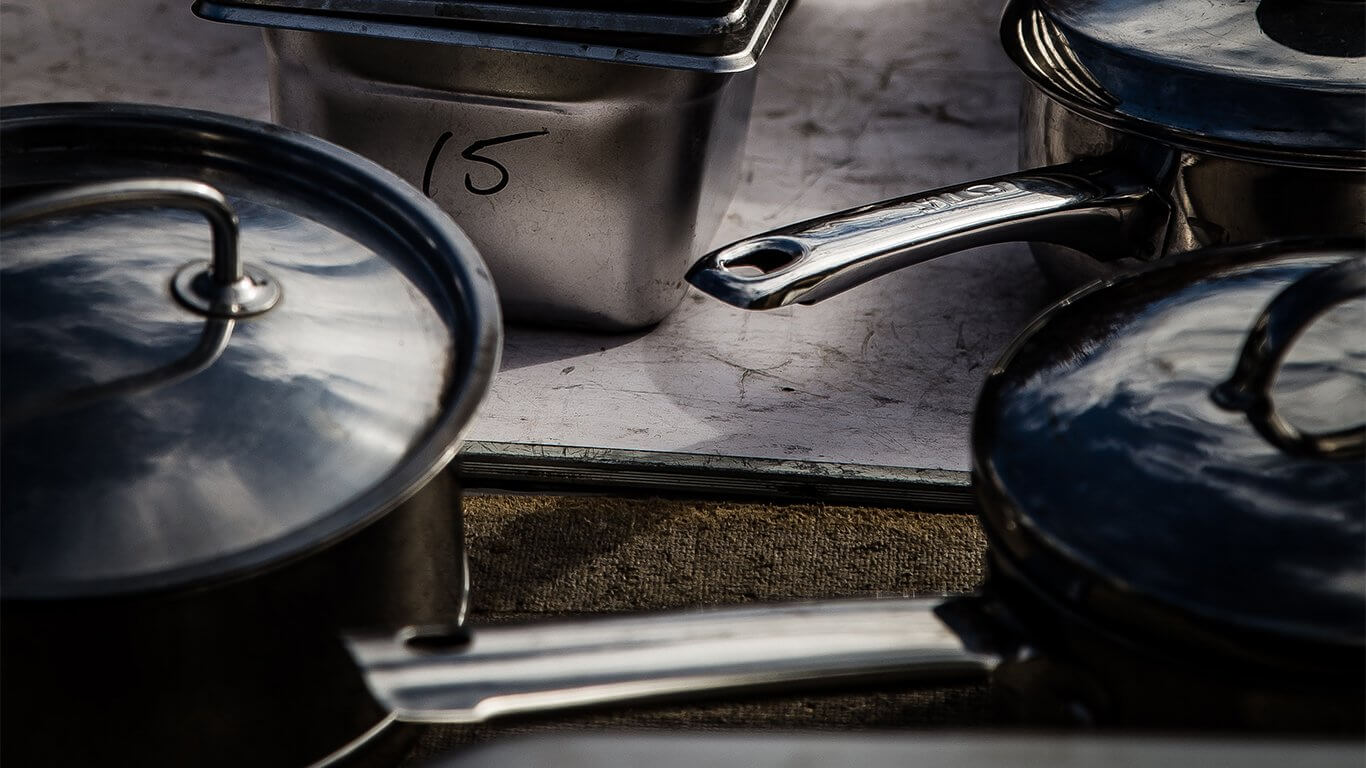
However, cast iron has strict care requirements. If that’s too much, you can also go for a high-quality coated pan. However, this should not be used for everything, but only when absolutely necessary (e.g., eggs, fish, etc.). And try to avoid using metal cooking utensils.
Summary
Most methods can be applied with home remedies that you usually already have in stock. In some cases, it may be worth resorting to commercial agents. The rea-clean Bio-Cleaner for cleaning burnt pots and the dipure Burnt Smell Remover for eliminating burnt smells in the kitchen are my personal recommendations for you.
Depending on the severity, these methods are recommended:
- Soak overnight
- Boil out with water
- Or with salt
- Or vinegar
- Or baking soda / baking powder
- Cleaning with dishwasher tablets
- Cleaning with rea-clean Bio-Cleaner
- Scrubbing with steel wool or coarse salt
Additionally, you should be careful not to use coarse scouring or aggressive methods on coated pots and pans, as these would otherwise damage the coating.
If you want pots and pans for eternity, it’s advisable to invest in cookware made of cast iron or uncoated stainless steel. These usually last a lifetime and are virtually indestructible. Above all, you can scour and scrub them without problems if necessary.
Updated on 27.02.2023